
Voce generată cu AI.
The field of architecture is often shrouded in misconceptions – from the idea that architecture is a male-dominated field, to the belief that the profession’s primary focus is exclusively aesthetics, or that the role of the architect is limited to designing new buildings. Beyond spectacular renderings, architecture is a rigorous, interdisciplinary field deeply connected to social realities.
Architecture is just about aesthetics
Another common myth is that architecture is just about how a building looks. Architecture is way more than just design and changes how we think, feel, and live, as the Rethinking The Future platform mentions in an article.
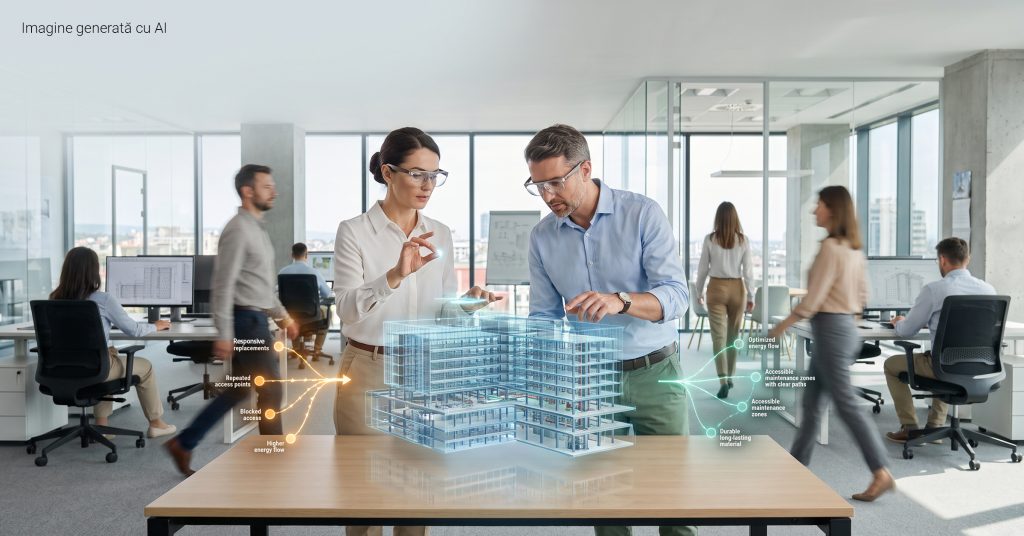
Architecture is a science of balance between form and function, between desires and constraints, between creativity and technical responsibility. Therefore, each project involves a rigorous analysis of functional requirements, integration into the urban context, environmental impact, operational sustainability, and user needs.
The final image is the most visible part of a long and complex process, but it is far from the whole story.
Architecture is a male-dominated field
One of the most persistent myths is that architecture is a predominantly male profession. Although historically there has been an imbalance in representation, the current reality is quite different, and architecture has become an increasingly attractive field for women over the last decade. In countries such as Serbia, Estonia, and Latvia, women account for over 50% of architects. In Romania, the distribution is balanced, with women and men equally represented in the profession, according to an Agenda Constructiilor article.
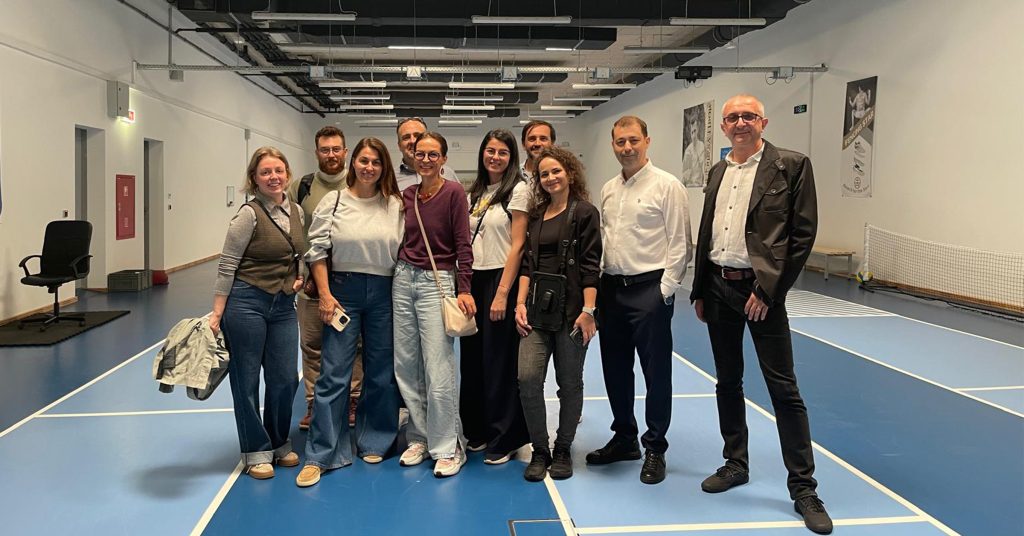
At Leviatan Design, diversity is embraced and integrated into the organizational culture. Today, 57% of the Leviatan team is made up of women, and they account for 67% of top and middle-management positions. This statistic reflects a fundamental change in how creative leadership, collaboration, and performance are understood.
Architecture does not take gender into account; instead, it focuses on vision, rigor, empathy, and the ability to understand and shape space in relation to people and complex needs.
Architects only design new buildings
The third persistent myth is that architects only design new buildings. In reality, a significant part of an architect’s work involves interventions in existing buildings – whether rehabilitation, consolidation, functional conversion, or spatial reconfiguration.
A concrete example is the projects to reinforce buildings at risk of seismic activity in Bucharest, carried out over time by Leviatan Design, in which the team of architects worked closely with structural engineers and installation design engineers to bring vulnerable buildings back to life, while preserving the architectural character of the area.
It is a delicate task, in which safety, functionality, and respect for urban identity come together in a process of revitalizing the city. These interventions not only extend the life of buildings but also contribute to the aesthetic and social regeneration of entire areas of the capital.
According to an article by Alvarez-Díaz & Villalón, architecture goes far beyond aesthetics, being a complex problem-solving process that addresses functionality, sustainability, and the adaptation of spaces to people’s real needs. In this sense, architecture also means the ability to extend the life of existing buildings, to reimagine and transform them responsibly, in accordance with their context, users, and future.
Conclusions
Architecture cannot be reduced to clichés. Understanding architecture correctly means, ultimately, abandoning clichés and looking deeper: at the teams that build it, at the responsibility it entails, and at the real impact it has on communities.
Dismantling the myths of architecture paves the way for a more mature perspective on the cities and buildings in which we live and work. Whether we are talking about new buildings or the transformation of existing ones, architecture has a profound impact on communities, influencing not only the city’s image but also its long-term quality of life.