How modern architecture contributes to the well-being of communities
AuthorRB
Published
Listen to this articleProvider: Elevenlabs
Article narration0:00 / 0:00
Voce generată cu AI.
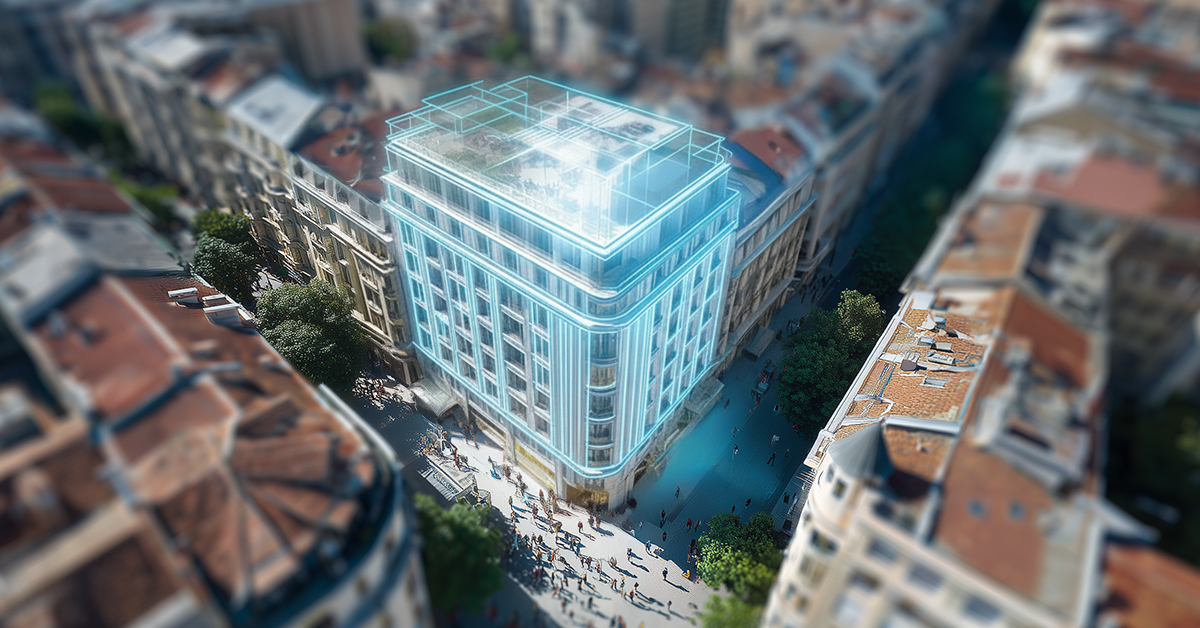
Modern architecture is not just an exercise in creativity or a rigorous technical process, but an act of responsibility towards the community and the future. At the heart of every authentic project lies a deep understanding of the context: the street, the neighborhood, the city, and the people who will live, work, or interact with that space. A building is designed for an urban and social ecosystem. Architects who understand this can generate solutions that not only fulfil a function but also visibly contribute to the quality of the built space and the lives of those around it.
This attention to local specifics, to the rhythm and character of a community, transforms architecture into an act of dialogue, not imposition. A building well integrated into the urban landscape is not only aesthetically pleasing but also creates coherence, continuity, and meaning. Buildings thus become part of memory, part of life, not just isolated objects. In a world where uniformity threatens local identity, this careful, respectful, and responsible approach becomes a principle. Architecture should not dominate a place; rather, it should listen to it and complement it.
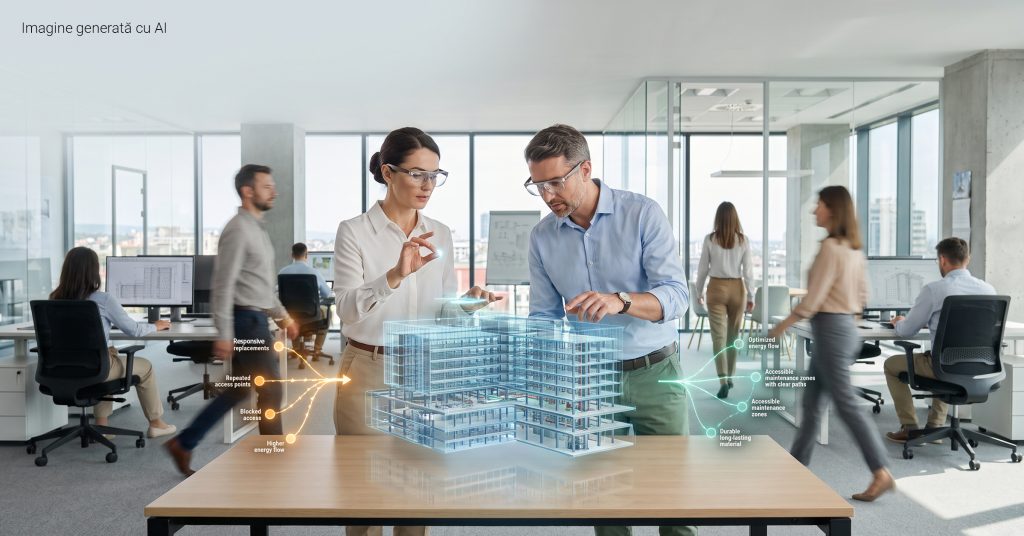
At the same time, modern architecture is strongly influenced by an awareness of long-term impact. Global climate challenges, social transformations, and the urgent need for sustainability are driving a profound shift in the way buildings are conceived. It is no longer enough for a space to be merely functional or beautiful. It must be durable, adaptable, energy-efficient, and relevant over time. Today’s architects design with posterity in mind, creating projects not only for the present but also for future generations. This long-term mindset adds a profound dimension to the profession, turning every project into a contribution to a built heritage meant to endure and inspire.
Leviatan’s architects cultivate this vision in the projects they create. The projects developed by Leviatan Design are grounded in a process of reflection and responsibility, where the value of architecture is measured not only in lines and volumes, but also in the way a building breathes alongside the community in which it takes shape. The actual contribution of modern architecture to collective well-being lies not only in innovation, but also in discernment – in the ability to build with purpose, respect, and vision. And where form meets the human and local dimension, architecture becomes a genuine support for the evolution of a balanced society.